
//
redesign
Overview
United, like many digital platforms, was facing a significant user pain point in the authentication process. Relying on a unique-digit code for login, a method that felt antiquated and cumbersome, led to user dissatisfaction and operational challenges. Users often struggled to remember their unique codes, resulting in wasted time searching through old emails or contacting support. The need to modernize and streamline this process was clear. Our plan was to enable login via email or phone number and phase out the unique number system. However, this transformation would require the verification of millions of existing email addresses. Here's how we approached this monumental task.
Project Duration
8 months with ongoing improvements
My Role
Lead UX Designer and Researcher
Platform
Responsive Web & Mobile App
Tools Utilized
Pen, paper, Sketch, Zeplin, InVision, UserTesting, Quantum Metric, Microsoft Teams
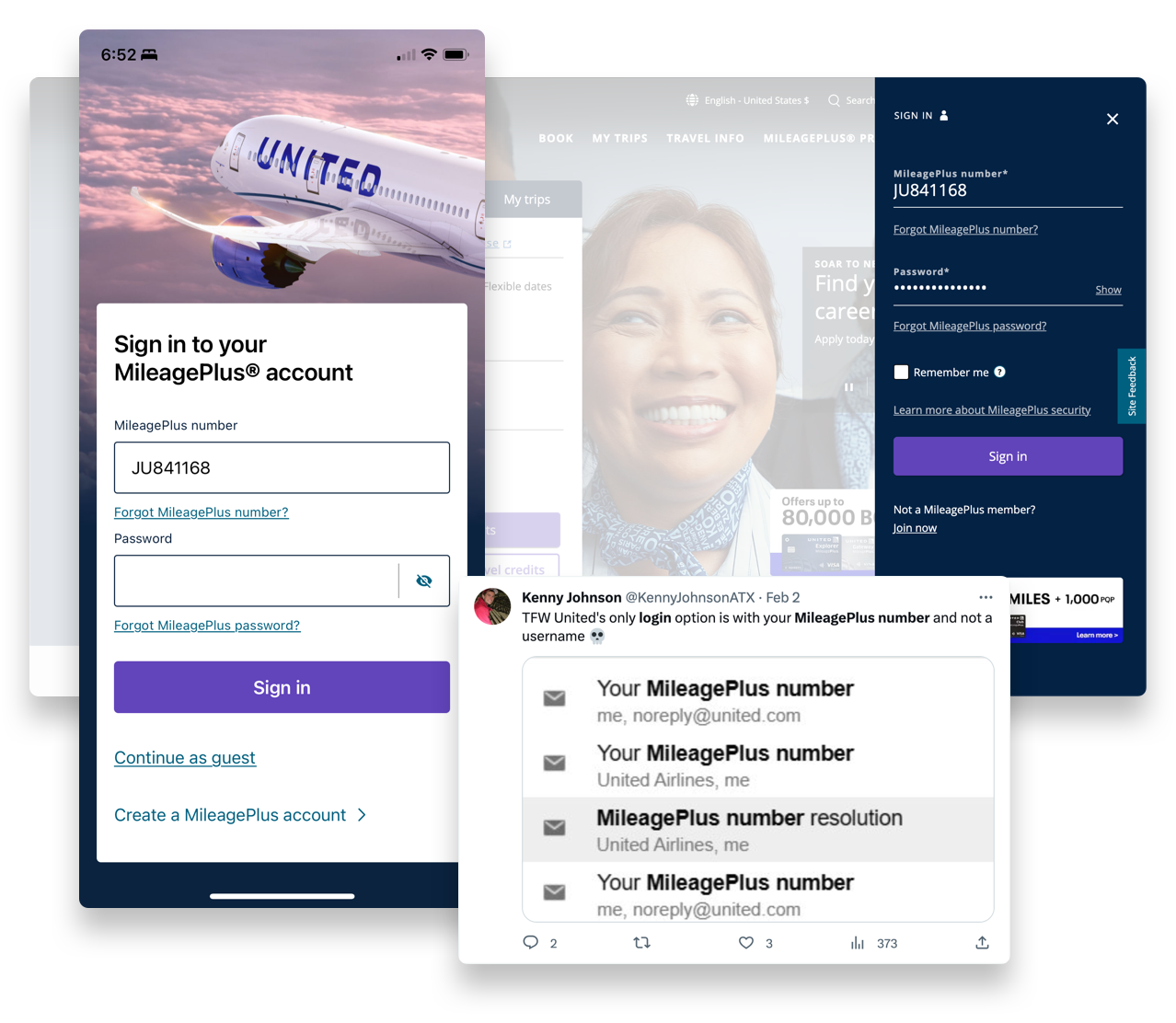
1. Progressive Profiling: The Soft Approach
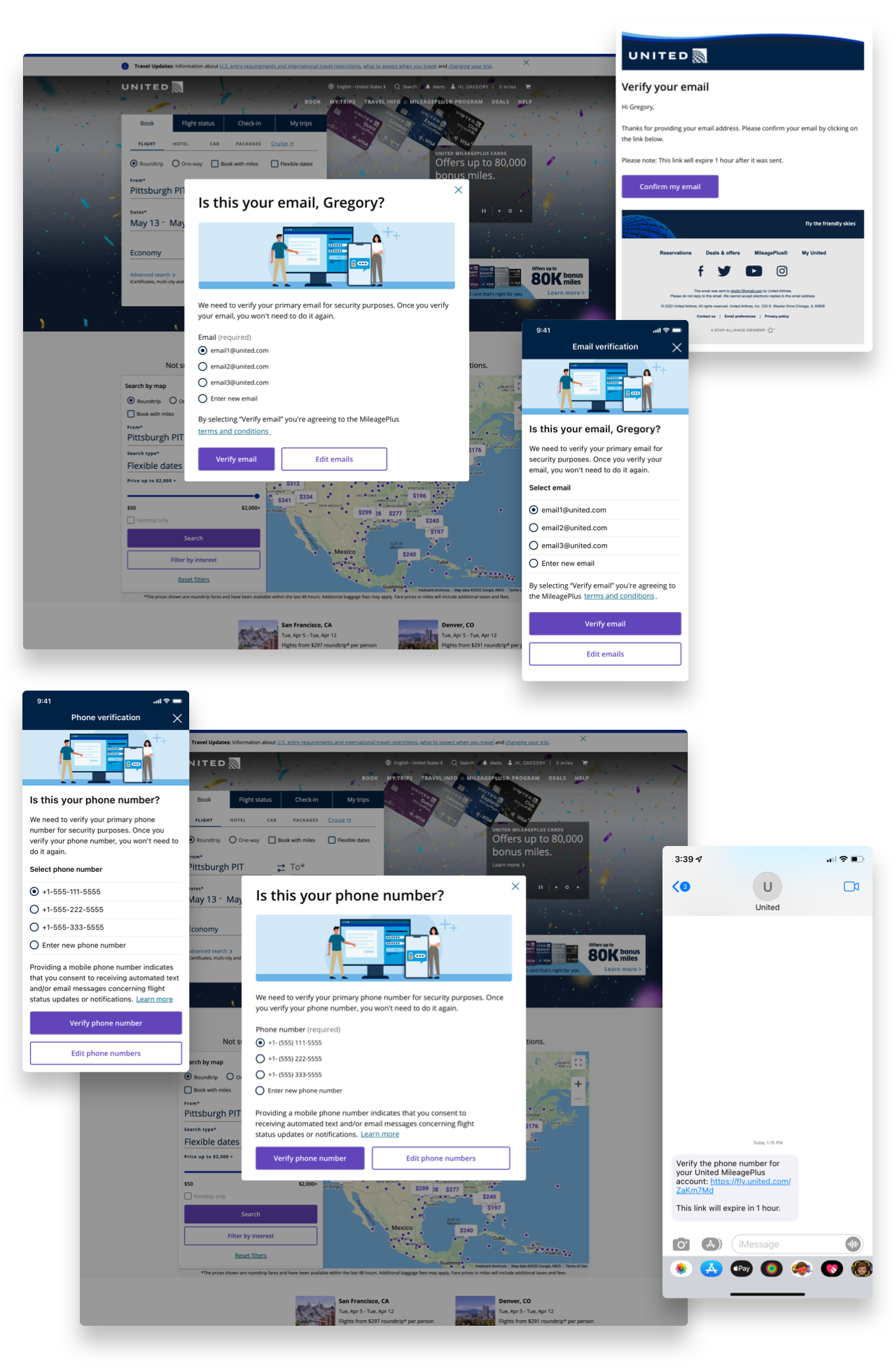
The Problem: Enabling the option for users to verify their emails without disturbing their workflow, especially if they were on a critical path like booking a flight.
The Solution: We designed a pop-up modal that would dynamically appear on the homepage, allowing us to passively verify emails and phone numbers.
Results: Through this non-intrusive approach, we were able to verify over 10 million emails and phone numbers. This laid the groundwork for our next steps.
2. Revamping the Enrollment Flow: Mandatory Verification
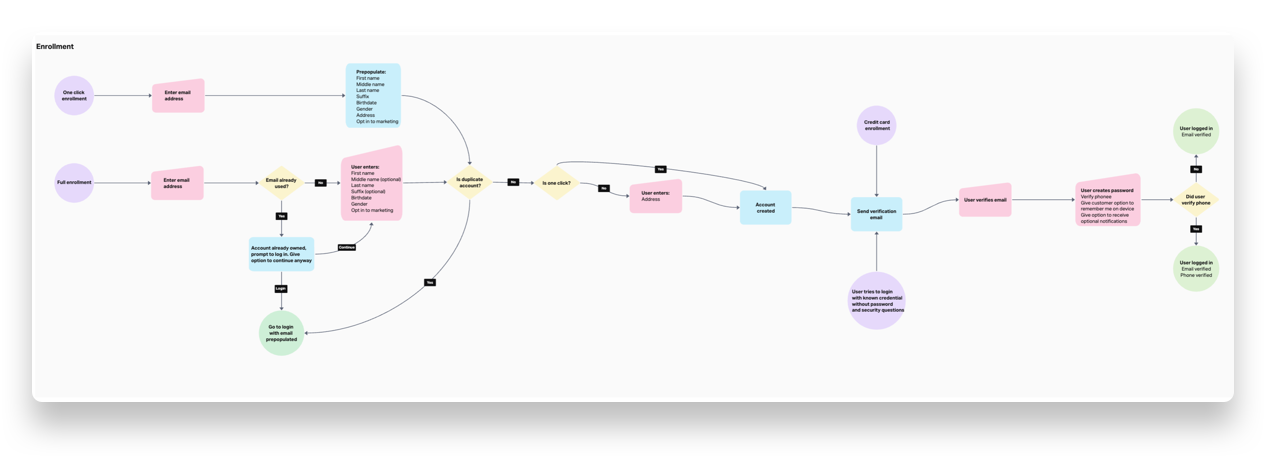
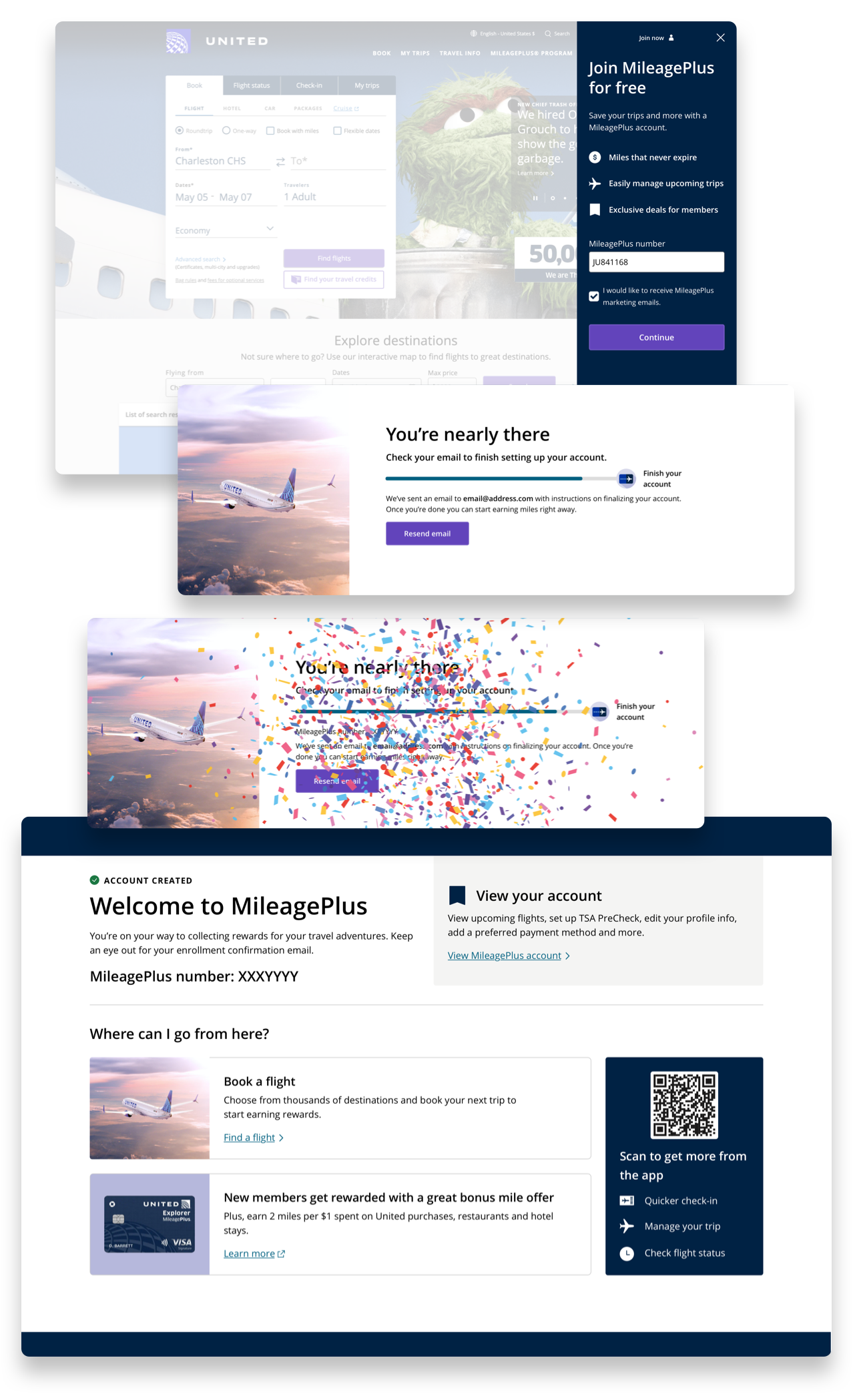
The Problem: While optional verification helped to a degree, we needed a method to ensure that all new users had verified emails. This also provided an opportunity to remove the dated and cumbersome security question part of enrollment, which was another significant user pain point.
The Solution: We redesigned the enrollment process to include mandatory email verification. This allowed us to ensure all new sign-ups were verified from the outset.
Results: The updated process reduced drop-off rates at the enrollment stage, leading to a higher conversion rate for new users.
3. Implementing Easy Login: The Final Transformation
The Problem: Having verified a significant portion of user emails and phone numbers, the next step was to replace the outdated unique-digit code login method.
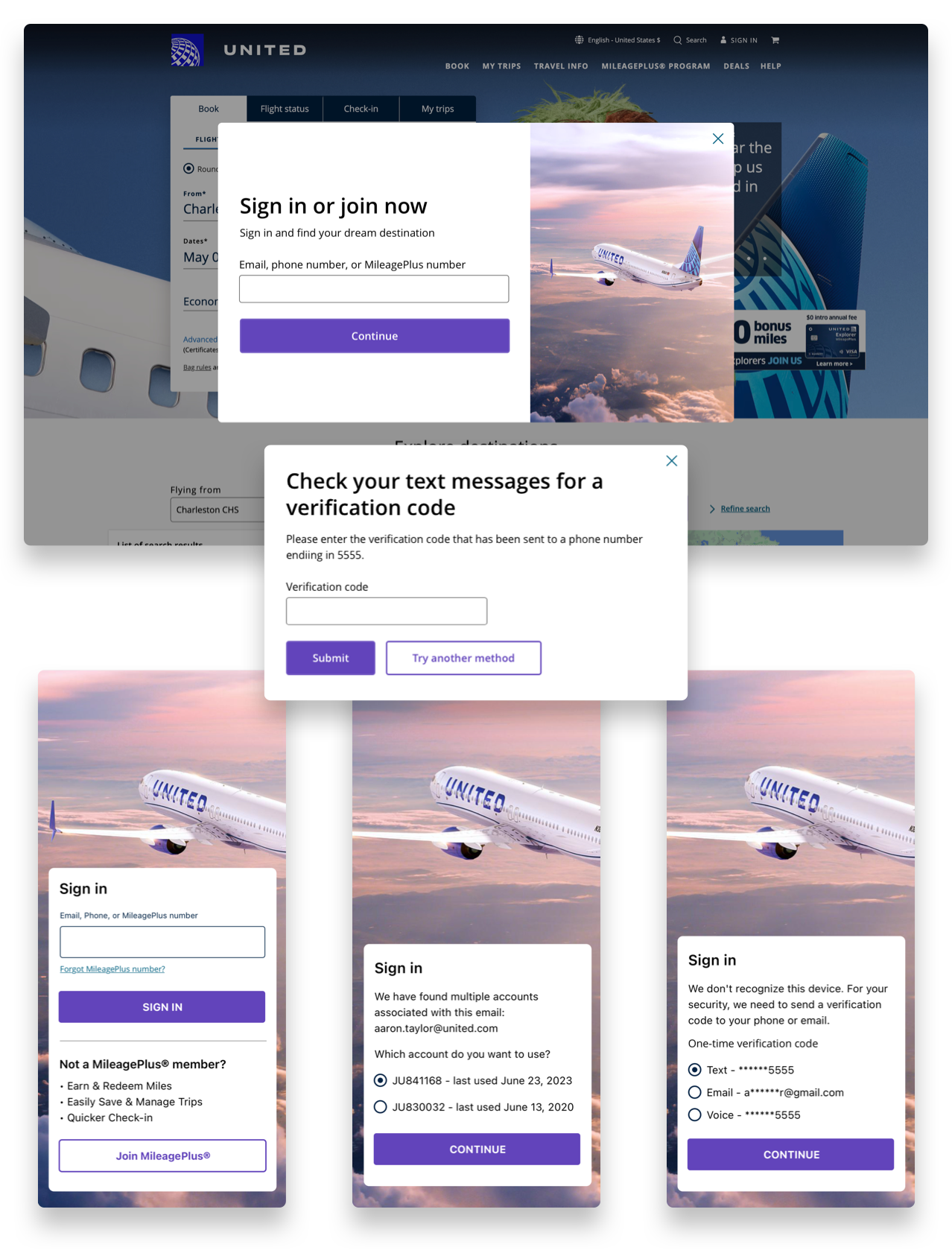
The Solution: We designed a login system using email and phone numbers. This included dynamic features like user recognition and security measures tailored to fraud factors, making the login process both user-friendly and secure.
Results: This new login method was hailed as a triumph by our users, reflecting an uptick in customer satisfaction scores. It not only provided a modern look and feel but also added a layer of security that was missing before.
Conclusion
The journey from a dated and frustrating authentication process to a modern, user-centric one was fraught with challenges, but it resulted in a significant improvement in user satisfaction and operational efficiency. By progressively moving from optional to mandatory verification and finally implementing a new login system, we were able to ensure a smooth transition for our users.
By focusing on user needs and embracing innovative solutions, we were able to fix one of United's biggest pain points. This project stands as a testament to the power of user experience design in transforming business processes, enhancing security, and improving customer satisfaction.